About Our Educational Resources
Welcome to the Educational Resources page, where the North Carolina African American Heritage Commission aims to provide K-12 educators across all disciplines with resources and tools that are useful in their classrooms. On this page, you will find links to digital databases, classroom activity sheets, and lesson plans aligned with our initiatives. Recognizing that learning happens beyond the classroom, we also offer a variety of Traveling Exhibits. Connect North Carolina's African American heritage and culture to the classroom! These resources benefit educators and students alike. Use them to:
- Connect with archival resources
- Discover robust digital collections from across the state
- Build a classroom curriculum using educational resources
- Advocate for preservation initiatives regarding local history
- Start the conversation about why North Carolina African American history is essential to K-12 education
- For current professional development opportunities for teachers, visit DNCR’s Office of K-12 Education & Outreach.
K-12 Activities
Young readers can gain a window into farm life in the Piedmont, North Carolina, through Bountiful Red Acres. The book chronicles a year in the lives of two neighboring families—one Black and one White—moving from season to season in 1900. Despite the racial inequalities in the American South, the Sawyers and Hauser families share an abiding friendship as they raise children, tend crops, and build community.
Classroom Implementation Guide
University of North Carolina Press: Bountiful Red Acres
The Negro Motorist Green Book was an annual guidebook created by New York City postman Victor Hugo Green. Green published the guidebook from 1936 to 1966 and designed it to help African American travelers navigate systemic segregation by compiling listings of “oasis spaces”—businesses ranging from tourist homes and hotels to beauty salons and restaurants—throughout the United States and internationally. In North Carolina, more than 300 sites were listed in the guidebook during its publication. The NC Green Book project sought to educate communities across North Carolina about the history and importance of these often-overlooked spaces while encouraging the preservation of the few remaining extant structures through digital tools, traveling exhibitions, and community engagement experiences.
North Carolina Freedom Park offers learners of all ages the opportunity to deepen their understanding of past visionaries' struggles and find inspiration in the resistance, resilience, and perseverance they demonstrated. Through thoughtful planning, engaging activities, and meaningful follow-up, educators can ensure students derive the maximum educational value from their park experience.
The educational video and activity worksheet on African American life and culture in North Carolina history present an interactive timeline of events, places, and people of African descent who lived in North Carolina as early as the 1500s. Students gain insight into individuals such as John Chavis, Harriet Jacobs, Thomas Day, and Ella Baker. Material culture plays a major role in preserving history, and through this worksheet and interactive video, students can learn about artifacts left behind by enslaved and free individuals in North Carolina. African Americans have made a major contribution to the legacy and culture of the state of North Carolina, past and present. These materials help students understand the past, reflect on the present, and think toward the future.
African Americans in NC History Educational Video
African Americans in NC History Worksheet
Quilts have played a vital role in the African-American community by preserving lineage and honoring family history and culture. Patterns, designs, and symbols carry significant meaning and insight. This activity sheet is a great way to help students express their culture and family history through art.
Preserving History Through Patterns, Designs, and Symbols Activity Sheet
K-12 Lesson Plans
The history of Black education in North Carolina and the nation is complex, marked by an arduous struggle. From laws and customs that forbade enslaved people from learning to a Jim Crow system that under-resourced Black schools, and finally to court-ordered desegregation that often sent Black students to unfamiliar spaces, countless legal and extralegal measures have sought to limit Black people's access to education. Yet, despite these restrictions and inequities, the value placed on education by Black people across time is clear. From the connections among education, emancipation, and civil rights to the agency, enterprise, and leadership shown in creating their own educational opportunities, Black communities have never relinquished the ongoing fight for educational access and equity. It is a story of resilience, resistance, and hope; a story that all students should learn and be inspired by. The lessons and activities in this guide explore the educational barriers Black North Carolinians have faced throughout history while also elevating the ways they have tackled those barriers to create their own opportunities for learning, sometimes with white allies and often completely on their own.
The History of Black Education in North Carolina: A Teaching Guide for High School Educators
This resource was designed for teachers using NC DPI content standards by A+ Schools of North Carolina. The lesson plans listed are based on the book These lesson plans were designed for teachers using NC DPI content standards by A+ Schools of North Carolina. The lesson plans listed are based on the book My N.C. from A to Z, which celebrates pride of place, creates connections to North Carolina's rich African American heritage, and teaches children about human equality and social justice.
Africa to Carolina K-12 Educational Resources
- Recognize the roads, rivers and ports in North Carolina that were crucial to the efforts of enslaved African Americans seeking freedom.
- Recognize those freedom seekers whose stories testify to the indomitable spirit found in thousands who strove to be free.
- Recognize those groups and individuals who supported and assisted the efforts of freedom seekers.
- Highlight the story of freedom-seeking through other avenues of liberation created during the Civil War.
Bring the Story of Sarah Keys Evans to Your Classroom
In 1952, three years before Rosa Parks made history, a young African-American Army private named Sarah Keys Evans refused to give up her seat on a bus in Roanoke Rapids, North Carolina. Her courageous stand led to a landmark 1955 Interstate Commerce Commission ruling that helped dismantle segregation in interstate bus travel.
Through the book Sarah Keys Evans: The Power of Quiet Courage by Amy Nathan and Sarah Keys Evans, students will explore how one woman’s persistence and bravery changed history. The accompanying lesson plan, linked below, invites educators to guide students in analyzing primary sources, understanding historical context, and connecting Sarah’s story to the broader civil rights movement.
Grades: 5–8 (adaptable for other levels)
Theme: Courage, Justice, and the Power of One Voice
Associated Books
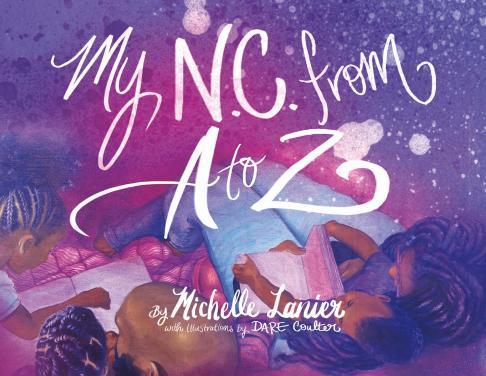
Lanier, Michelle. 2020. My N.C. From A to Z. Raleigh, N.C.: North Carolina Office of Archives and History.
Heyes, Eileen, and North Carolina Office of Archives and History. 2023. Bountiful Red Acres: Two Farms, Two Families, and a Year on the Land. Raleigh, N.C.: Historical Research and Publications Office, Office of Archives and History, Department of Natural and Cultural Resources.
Bryan, Sarah, Beverly Bush Patterson, Michelle Lanier, and Titus Brooks Heagins. 2013. African American Music Trails of Eastern North Carolina. Raleigh: North Carolina Arts Council.
Nathan, Amy, Sarah Keys Evans, North Carolina Office of Archives and History, and North Carolina Department of Natural and Cultural Resources. 2025. Sarah Keys Evans : The Power of Quiet Courage. Raleigh, N.C.: Historical Research and Publications Office, N.C. Office of Archives and History, Department of Natural and Cultural Resources.
To purchase these books and more, please visit the official UNC Press website.
North Carolina Digital Resources for Educators
- University of North Carolina at Chapel Hill (Ancient North Carolinians Teacher Resources)
- University of North Carolina at Chapel Hill (Southern Oral History Program)
- University of North Carolina at Greensboro (The North Carolina Runaway Slave Notices project)
- University of North Carolina at Greensboro (Teacher toolbox)
- Carolina K12