NCAAHC Africa to Carolina Project
Overview
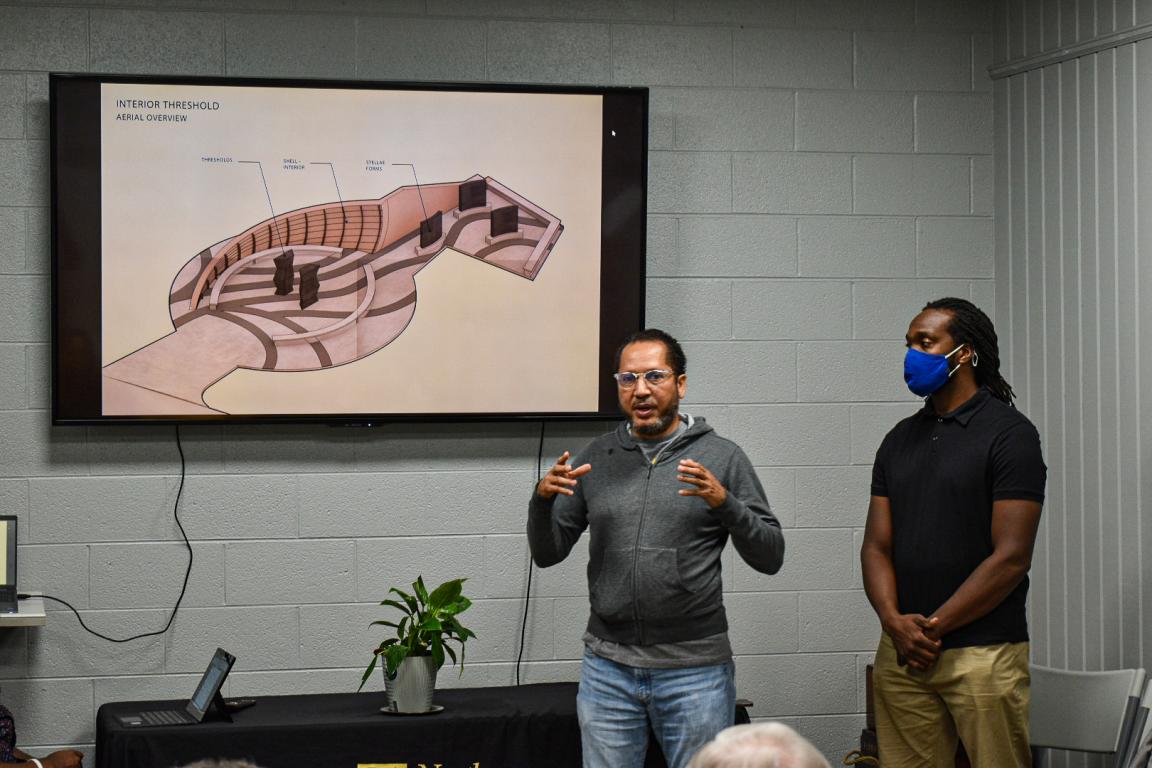
Across the United States, a handful of public artworks commemorate sites of African disembarkation. The Africa to Carolina art installation is the latest in a multi-phased project honoring the lives and legacies of enslaved people—and the sole public artwork specifically commemorating African disembarkation in North Carolina. For additional information on North Carolina's involvement in the Transatlantic Slave Trade, visit our research report " Disembarkation in North Carolina "Final Research Report: Disembarkation in North Carolina" by historian Amber Pelham.
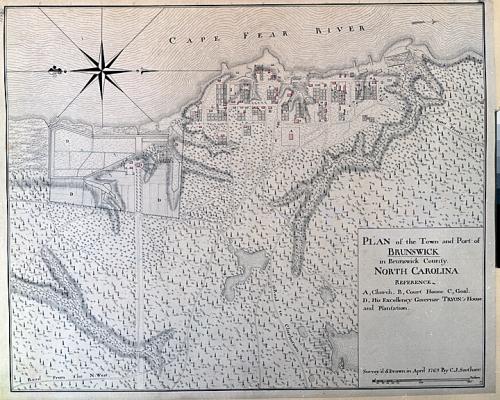
Brunswick Town/Fort Anderson State Historic Site is a powerful, multilayered location for this public art installation. Once a key site in the slave trade surrounded by remnants of rice plantations, it was also a place of freedom. Following the Civil War, Black freedom seekers formed a refugee camp at Fort Anderson with support from the Freedmen’s Bureau. Today, the site attracts an array of visitors—those interested in Colonial and Civil War history, local beaches and recreation, and Black history. Public art at this crossroads will forge new connections, inviting all visitors to reflect on histories of bondage and freedom, and the rich cultures and resilient communities born from them.
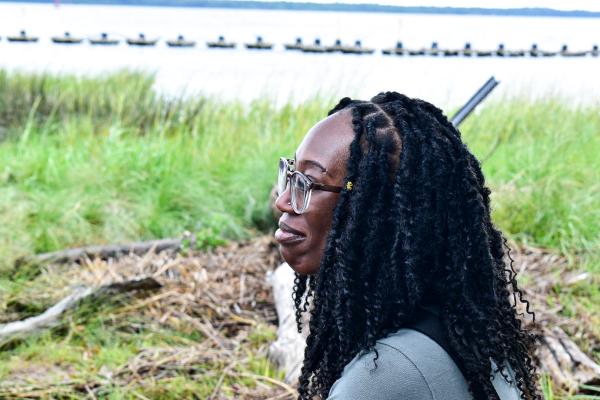
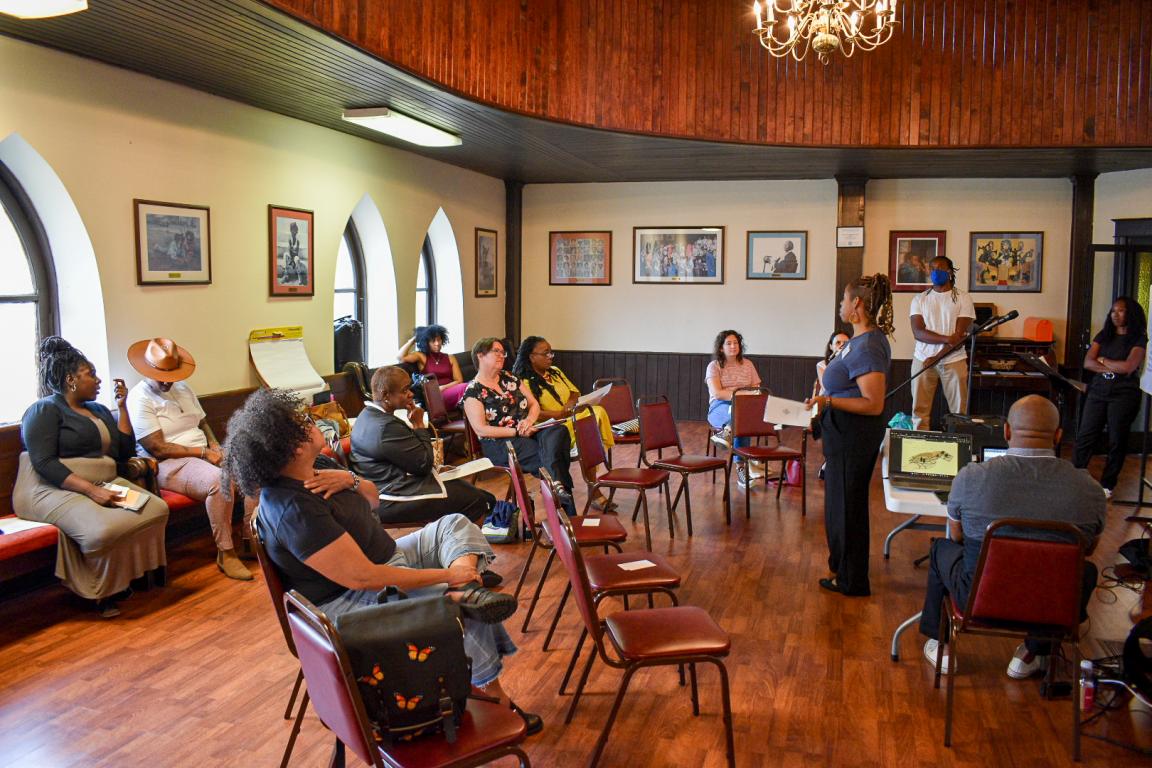
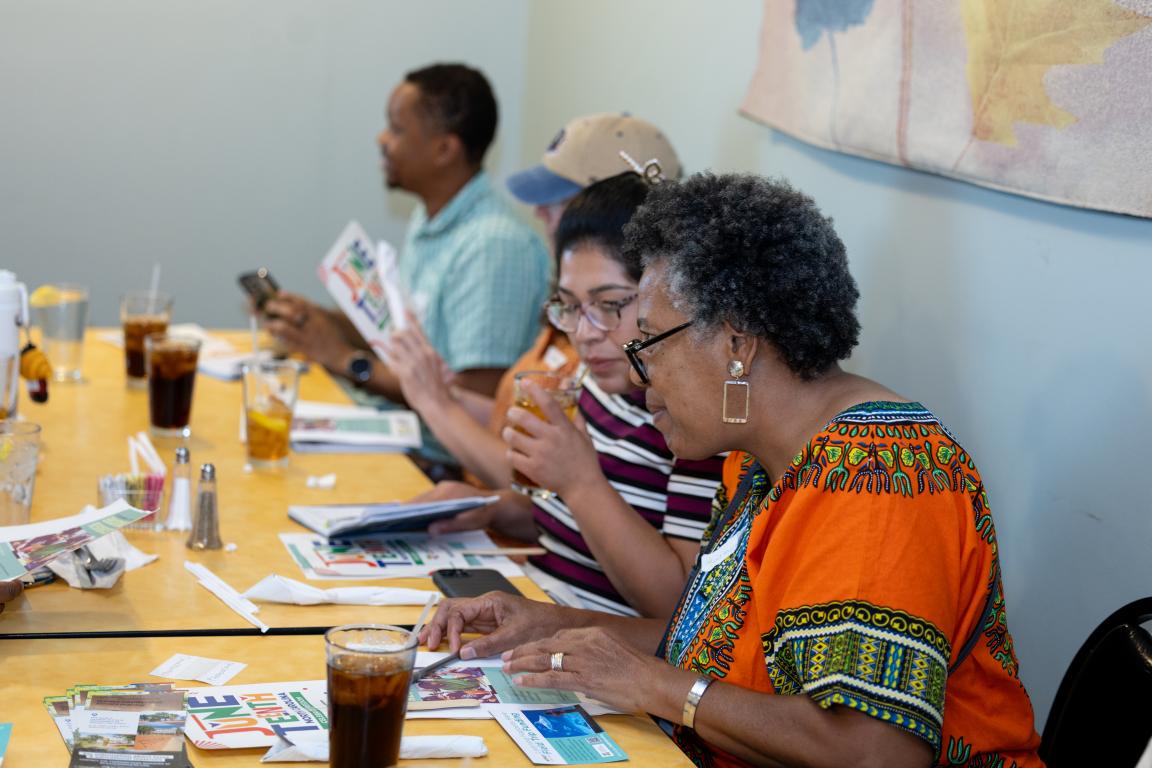
Multiple phases of community engagement were central to this project. Early on, community members emphasized interest in deep research and resources – both educational and digital. Community listening sessions included an art workshop; curriculum development for K–12 curriculum materials for social studies, history, and art; and a professional development workshop for educators across all three regions of the state.
Africa to Carolina is a descendant-informed initiative that invites broad participation in both memorial design and storytelling. Arts workshops centered by descendant voices include graduate student Tyanna Parker West of North Carolina Central University. While the co-creation process welcomed input from people of all backgrounds—across sectors, lived experiences, and racial identities. The NC African American Heritage Commission (NCAAHC)created community spaces for dialogue and commemoration.
As the home of the NC Rice Festival and host to the Africa to Carolina exhibition, Brunswick Town/Fort Anderson serves as a site of contemplation and learning, encouraging visitors to confront the realities and resilience at the heart of the global slave trade, and to explore the enduring impact of slavery, freedom, and Black culture in North Carolina.
Africa to Carolina Project Phases
In 2018, the NC African American Heritage Commission accepted a charge from the Smithsonian National Museum of African American History and Culture to identify, acknowledge, and physically memorialize sites where enslaved persons disembarked form the African continent. The Africa to Carolina project was born as a result of this charge.
Africa to Carolina has been executed in a series of thoughtful, collaborative phases since 2018. Phases included four rounds of community engagement through 2025 visiting numerous coastal communities including Navassa, Leland, Winnabow, Wilmington, Bath, New Bern, Plymouth, Edenton, and beyond. Community members identified their top priorities: research, accessibility of the research with an interest in exhibits and an online web portal, and public art to commemorate the history. Along the way, NCAAHC was honored to collaborate with numerous community members, historians, institutions, and artists to execute the community’s vision.
Location
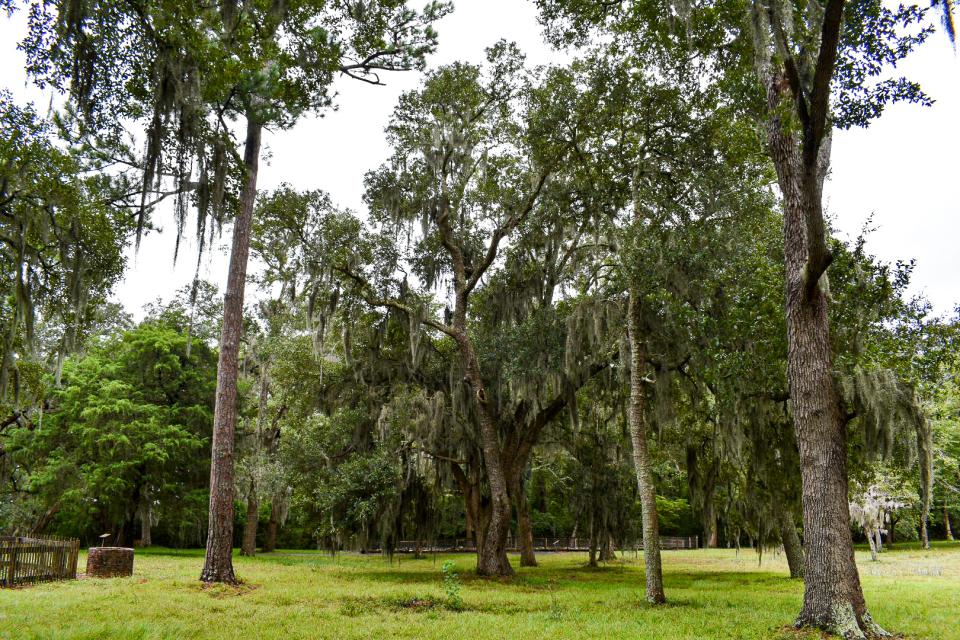
Brunswick Town/Fort Anderson State Historic Sites, 8884 St Phillips Rd SE, Winnabow, NC 28479
The Path Forward
The Africa to Carolina public art installation at Brunswick Town/Fort Anderson State Historic Site honors the resilience, contributions, and stories of those who survived the Middle Passage and shaped North Carolina’s heritage. Through this work, the NCAAHC and its partners are committed to truth-telling, remembrance, and celebration of African American history and culture.
Support
Initial support for this work came from the Institute of Museum and Library Services (IMLS) Museum Grants for African American History and Culture, a federal grant. Most recent phases of the project from 2022 to 2026 were generously supported by the Z. Smith Reynolds Foundation (ZSR). NCAAHC was awarded in the second cohort of the Inclusive Public Art Initiative. The second cohort expands the project through a partnership between ZSR and the Mellon Foundation, the nation’s largest supporter of arts and humanities. The partnership supports grant awards; planning grant awards to semifinalists; and administration and communication activities, including a partnership with PBS North Carolina to document the projects.